Homeowners in Vancouver, WA need clear, practical steps to keep families and property safe during garage door opener repair. This guide focuses on what you can do before a technician arrives, what to expect during a visit, and simple maintenance that reduces risk. If your garage door opener acts up, a few checks now can prevent emergencies later.
Why garage door opener repair safety matters
Garage doors are heavy and the opener controls powerful moving parts. A failed opener can pinch, drop, or jam the door without warning. Whether the issue is sensors, springs, or electrical components, safe handling during garage door opener repair is essential to prevent injury and avoid collateral damage to vehicles or stored items.
Pre-repair safety checklist you can do today
Before any garage door opener repair visit, run a quick, non-technical inspection. These steps help you gather useful information and reduce hazards:
- Visual check: Look for bent tracks, loose brackets, frayed cables, and obvious spring damage. Don’t touch springs or cables — they store dangerous tension.
- Test the sensors: Place a large object in the path and press the opener. If the door doesn’t reverse, note that for the technician.
- Listen for odd noises: Squeaks, grinding, or snapping sounds help a pro diagnose motor or gear problems faster.
- Locate the manual release: Know how to pull the emergency cord to disconnect the opener in case the door won’t respond.
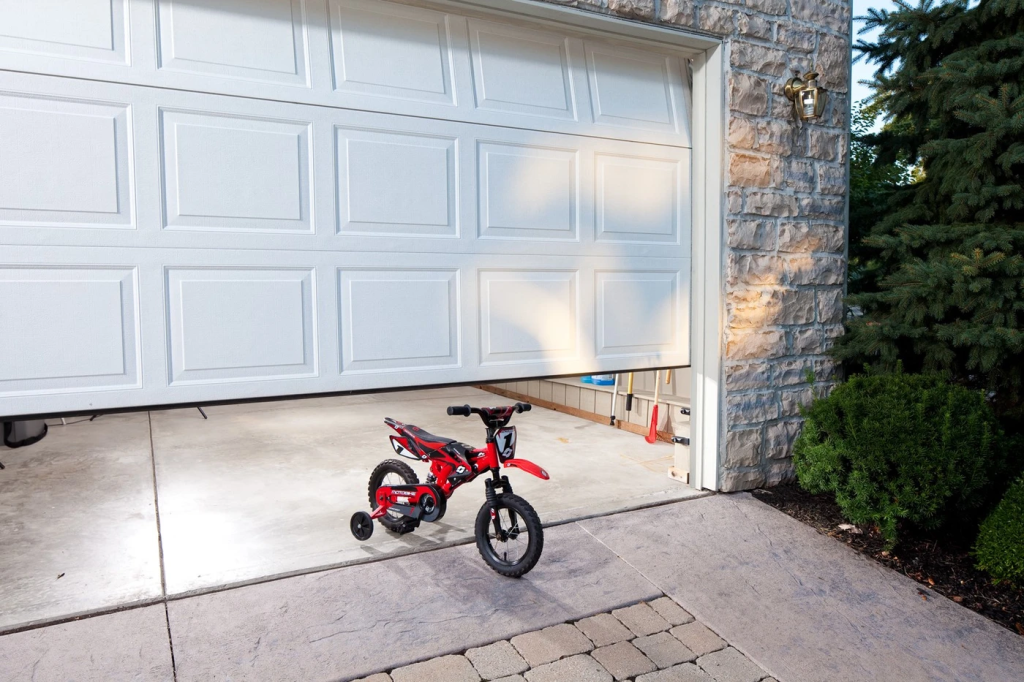
- Secure the area: Keep children and pets out of the garage and clear vehicles away from the door’s travel path.
Record what you find and have your garage door model and opener brand handy. If you want more background on causes and fixes, check our blog for local posts and seasonal tips.
On-site safety: What a safe garage door opener repair visit looks like
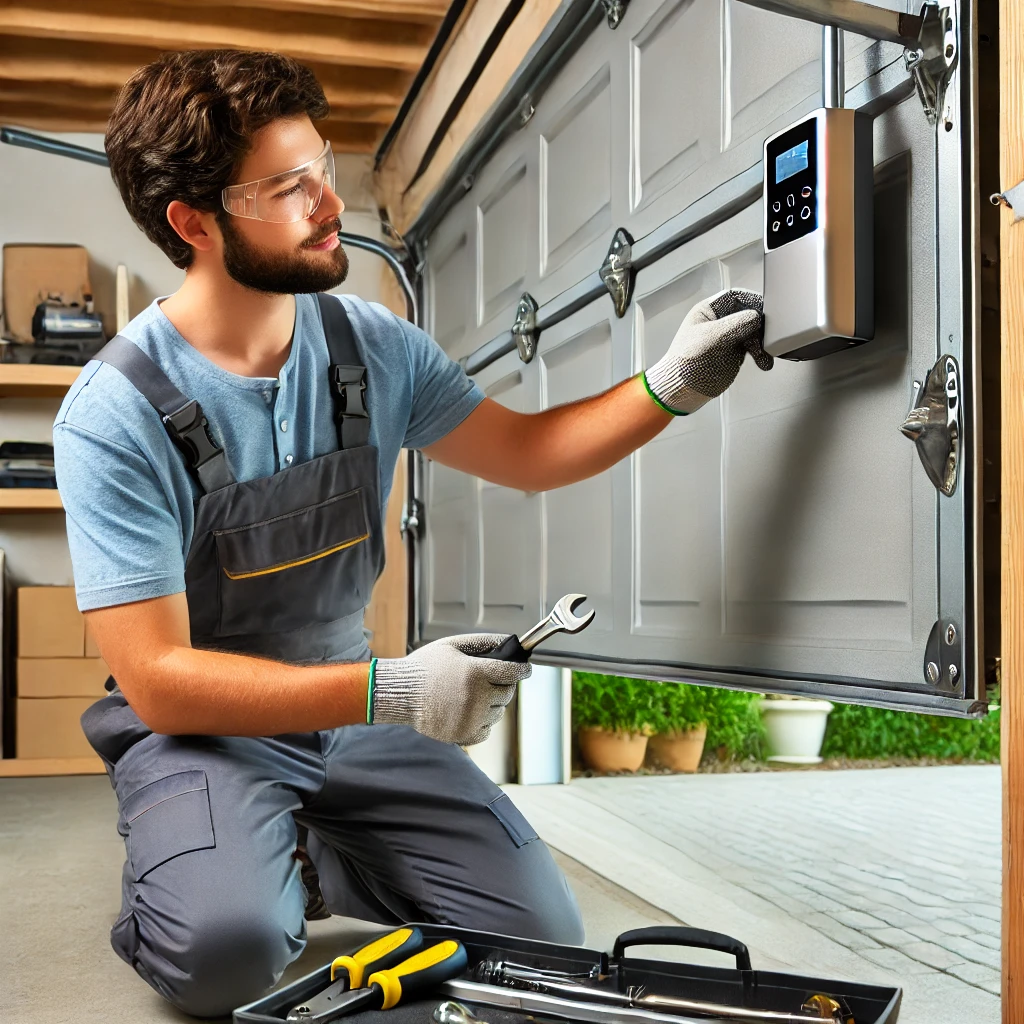
When a technician arrives, a professional safety routine minimizes risks. Expect these steps during a responsible repair:
- Initial walk-through: The tech assesses the door, opener, springs, and tracks before any disassembly.
- Power isolation: The opener should be disconnected from power before tests that expose wiring or internal gears.
- Spring and cable protocols: Spring work is high-risk. Technicians use special tools and stay off ladders when adjusting torsion or extension springs.
- Sensor and safety test: After repairs, the tech will verify that reversing sensors and auto-reverse work under load.
- Clean-up and owner demo: A trustworthy technician leaves the area tidy and shows you how to use the manual release and test safety features.
If you prefer a professional estimate or want to schedule a safe repair, use our contact page to arrange a visit, or call ahead so the tech comes prepared for your specific opener model.
Red flags that require immediate action
- Door drops suddenly or won’t stay open — do not try to hold it by hand.
- Visible broken spring(s) or snapped cables — keep clear and call a pro.
- Opener produces burning smells or smoke — disconnect power and get emergency service.
Maintenance steps that improve safety long-term
Routine maintenance reduces the frequency of emergency garage door opener repair and makes each service call safer. These homeowner-friendly tasks are low risk and effective:
- Lubricate moving parts annually with a silicone-based spray — avoid oil on tracks.
- Tighten loose fasteners and brackets; vibration can loosen hardware over time.
- Test reversal systems monthly: Place a block of wood in the door path and confirm the door reverses on contact.
- Replace batteries in remote controls and wall keypads to avoid inconsistent signals that can confuse an opener.
Periodically scheduling a professional tune-up extends the life of your opener and doors. Browse our services to see maintenance plans and warranty options.
Weather and local considerations for Vancouver, WA
Vancouver’s damp climate affects moving parts differently than drier regions. Salt-free coastal air still promotes corrosion on hinges and rollers. In fall and winter:
- Inspect weather seals and door bottoms for gaps that invite moisture.
- Keep tracks clear of debris and leaves that can trap moisture and cause rust.
- Consider stainless or galvanized hardware if you replace parts frequently.
When to DIY and when to call a pro
Safe DIY tasks: visual inspections, lubrication, sensor alignment, and replacing remote batteries. Avoid DIY if the problem involves springs, cables, motor internals, or electrical issues. For these higher-risk repairs, trained technicians have specialized tools and experience.
Choosing a qualified repair service matters. Ask about insurance, parts warranty, and whether the tech follows safety protocols for spring tension, ladder use, and power isolation. If you need help now, call our office to discuss options and scheduling.
For more on common issues, diagnostic tips, and seasonal checklists that help reduce the need for emergency garage door opener repair, visit our local posts on the blog.
Staying proactive with maintenance and knowing when to call a licensed technician are the best ways to protect your family and property. Whether you want a safety inspection, a same-day repair, or regular residential service, clear communication and the right prep reduce risk and cost.
Frequently asked questions — Vancouver, WA
1. How does Vancouver weather affect garage door openers?
Damp, cool weather can accelerate corrosion on rollers and hinges and cause seals to harden. That adds friction and strain on the opener motor. Keep tracks clear, lubricate moving parts annually, and schedule an inspection if you hear grinding.
2. How long does a typical garage door opener repair take?
Most minor repairs (sensors, remotes, limit adjustments) take 30–90 minutes. Spring or cable work may take 1–3 hours because of safety protocols. Technicians in Vancouver often provide same-day service for urgent safety issues.
3. What price range should I expect for repairs in Vancouver, WA?
Small repairs commonly range $100–$300. Motor or full-opener replacement typically runs $400–$900 depending on brand and features. Always ask for an itemized estimate and parts warranty before work begins.
4. Do repairs come with warranties and are permits required?
Licensed residential services usually offer limited warranties on parts and labor; ask for details. Permits are rarely required for simple repairs, but structural changes or electrical upgrades may need a local permit—your technician can advise.
5. Can I perform safety checks myself while I wait for a pro?
Yes. Test the safety reverse, inspect for obvious hardware damage, and identify the manual release. Do not attempt spring or cable repairs yourself. If the door behaves unpredictably, keep people away and call a professional.
Helpful local resources in Vancouver, WA
- Garage Door Repair Seattle
- Garage Door Repair Bellevue
- Garage Door Repair Redmond
- Garage Door Repair Kirkland
- Garage Door Repair Mercer Island
- Garage Door Repair Edmonds
- Garage Door Repair Issaquah
- Garage Door Repair Tacoma
- Garage Door Repair Everett
- Garage Door Repair Bothell
- Garage Door Repair Sammamish
- Garage Door Repair Renton
- Garage Door Repair Lynnwood
- Garage Door Repair Woodinville
- Garage Door Repair University Place
- Garage Door Repair Gig Harbor
- Garage Door Repair Lakewood
- Garage Door Repair Puyallup
- Garage Door Repair Mukilteo
- Garage Door Repair Vancouver
- Garage Door Repair Kenmore
- Garage Door Repair Burien
- Garage Door Repair Auburn
- Garage Door Repair South Hill
- Garage Door Repair Yarrow Point
- Garage Door Repair Clyde Hill
- Garage Door Repair Port Townsend
- Garage Door Repair Duvall
- Garage Door Repair Snoqualmie