Homeowners in Vancouver, WA are increasingly pairing smart home devices with traditional upkeep. Smart home integration can simplify routine garage door maintenance and make residential service safer and more predictable. This guide explains how to use connected controls, diagnostics, and simple checks to keep garage doors working through wet winters and salt air exposure.
Why smart home integration matters for garage door maintenance
Integrating a garage door opener with smart home systems moves some maintenance tasks from guesswork to data. Instead of waiting for a stuck door, you get status updates, alerts for unusual activity, and logs you can use to schedule preventive maintenance. For busy Vancouver homeowners, that means fewer emergency repairs and better planning for seasonal checks.
Key benefits:
- Remote diagnostics to spot rising problems early.
- Automated reminders for lubrication, balance checks, and safety tests.
- Integration with home automation scenes for energy and security benefits.
Practical smart features to reduce maintenance time
Not every smart feature reduces the need for hands-on garage door maintenance, but several help you catch wear early and preserve components.
1. Remote status and alerts
Smart openers can tell you if the door is left open, if it failed to close, or if an obstruction triggered a reversal. That data helps you decide whether to perform a visual inspection or call a technician.
2. Activity logs and runtime metrics
Runtime metrics reveal slowdowns in operation that often indicate worn springs, failing rollers, or a struggling opener. Tracking cycles and run times helps you schedule routine garage door maintenance before a breakdown during a cold, rainy night.
3. Scheduled tests and reminders
Set automated reminders for yearly safety tests, balance checks, and lubrication. These small tasks extend the life of rollers, tracks, and springs—saving money on major repairs.
Checklist: Smart-enabled routine garage door maintenance tasks
Use this checklist to combine smart reports with hands-on checks. Aim to perform the physical items at least once a year, more often if your smart system reports anomalies.
- Visual inspection: look for bent tracks, loose bolts, rust, and worn cables.
- Balance test: disconnect the opener and lift the door manually to check smooth travel.
- Lubrication: use a silicone-based lubricant on rollers, hinges, and springs where appropriate.
- Safety reversal: test the photo-eye and reversal mechanism monthly.
- Smart check: review log entries for increased runtime or failed cycles.
- Weather sealing: inspect bottom seals and thresholds for water intrusion.
Combining these hands-on checks with smart alerts creates a predictable maintenance rhythm for your garage doors and keeps small issues from becoming emergencies.
Choosing smart hardware and what professionals recommend
Not every opener or retrofit module is equally reliable. Technicians in our area often recommend units that can report diagnostics or pair with popular smart hubs for secure updates and support. When selecting hardware, consider:
- Compatibility with your door type and weight—the wrong opener increases stress on springs.
- Local support and updates—choose vendors with firmware updates and regional service.
- Encryption and secure remote access to prevent unauthorized control.
If you want detailed articles and how-tos about pairing systems and common troubleshooting steps, visit our blog for local examples and installer tips.
Local considerations for Vancouver, WA homeowners
Vancouver’s climate—wet winters, modest summer humidity, and proximity to salt in some neighborhoods—affects materials and schedules. Salt air near the river or coastal influence accelerates corrosion on springs, fasteners, and tracks, making regular checks more important than in drier regions.
Practical local advice:
- Schedule lubrication every 6–12 months depending on exposure.
- Inspect seals and thresholds before the rainy season to prevent water entry.
- Use stainless or galvanized hardware when replacing corroded components.
When a smart system flags repeated retries, stuck cycles, or slow travel, plan a professional inspection rather than delaying. Our technicians specialize in balancing smart integrations with durable mechanical fixes; see our services page to learn about local maintenance plans and warranties.
How smart integration changes the cost and timing of maintenance
Smart features can reduce emergency call-outs and extend the intervals between major overhauls. However, they don’t eliminate the need for professional care of high-tension parts like springs. Homeowners typically see lower lifetime costs because proactive small repairs prevent catastrophic spring or track failure.
Typical timeline for residential service in Vancouver, WA:
- Preventive inspection and tune-up: annual (more often if logs show anomalies).
- Minor repairs (rollers, cables, sensors): usually same-day to 48 hours depending on parts.
- Major repairs (spring replacement, track realignment): scheduled within 1–3 days in most cases.
If you notice safety failures or suspect a broken spring, call a qualified technician immediately—do not attempt DIY spring work.
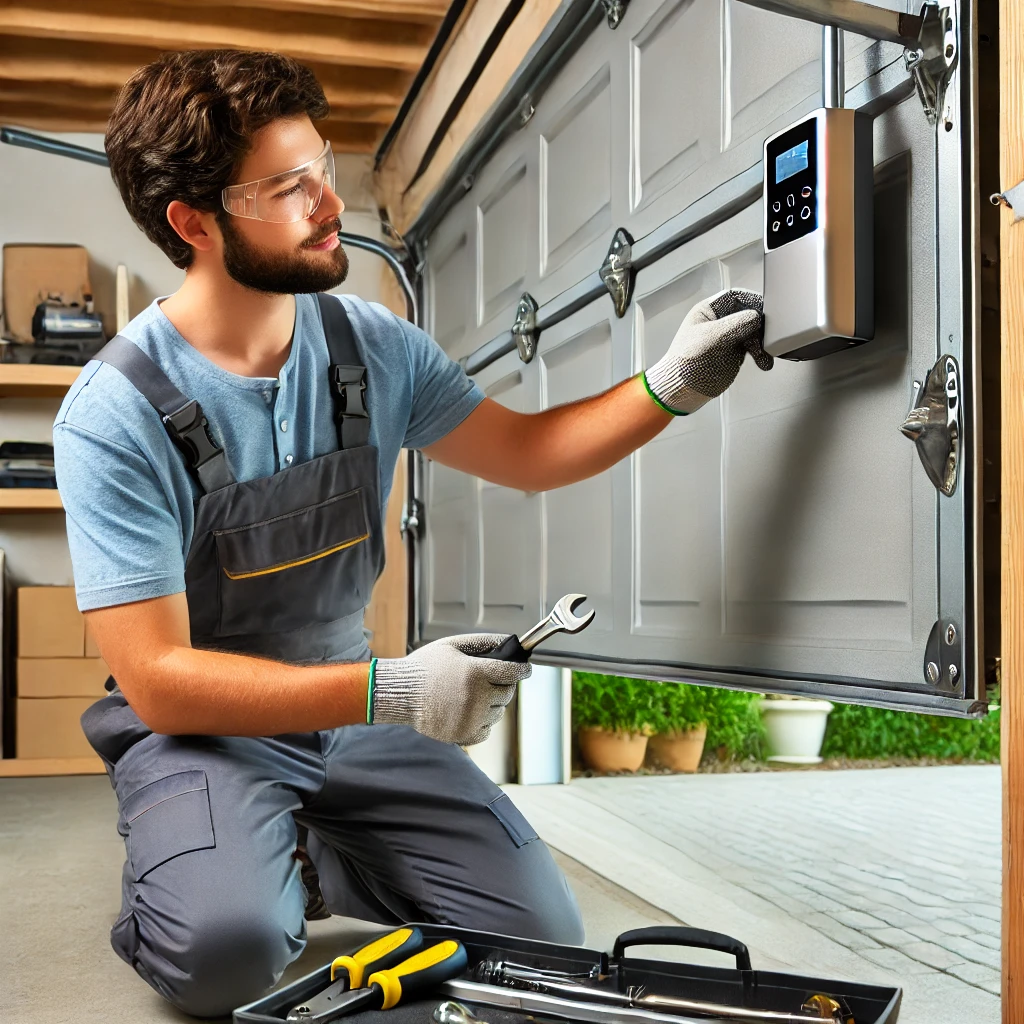
Installing smart upgrades safely
When retrofitting older openers, prioritize certified modules and professional installation. A poorly installed sensor or incompatible motor can increase wear rather than reduce it.
Installation tips:
- Verify electric compatibility—some older openers lack the required interfaces.
- Keep manual release accessible and labeled for first responders.
- Record baseline logs after installation to identify deviations later.
Ready to integrate smart monitoring or book a professional tune-up? Contact our team for a site assessment and a written estimate: contact us.
Summary: a practical path to smarter garage door maintenance
Smart home integration makes garage door maintenance more data-driven and less reactive. By combining sensors, activity logs, and scheduled reminders with traditional residential service, Vancouver homeowners can reduce emergency repairs, extend component life, and keep their doors operating safely through wet winters.
For a local, practical approach to upgrades, ongoing maintenance, and emergency repairs, reach out to schedule a maintenance visit or an integration assessment.
Frequently Asked Questions — Vancouver, WA
1. How often should I schedule garage door maintenance in Vancouver, WA?
Plan a professional inspection at least once a year, and every 6 months if your door sees heavy use or lives near salt air. Smart systems that log longer run times or failed cycles should prompt an immediate check.
2. Does smart integration affect my repair timeline or costs?
Yes. Smart alerts can shorten diagnosis time and reduce emergency visits, lowering long-term costs. Expect minor repairs within 24–48 hours; major jobs like spring replacement usually are scheduled within 1–3 days.
3. Are there permits required for garage door replacement or major work in Vancouver?
Most routine repairs and opener replacements do not need permits, but structural changes or new motor mounts that alter the garage opening may require a permit. Check with the City of Vancouver building department for specifics.
4. How does Vancouver weather affect maintenance priorities?
Wet weather and waterfront proximity increase corrosion risk. Prioritize lubrication, stainless hardware for replacements, and rubber seals before the rainy season to prevent water intrusion and rusted components.
5. What warranties or guarantees should I expect with smart-enabled service?
Ask your provider for parts and labor warranty terms. Many residential service plans offer 90–365 day labor warranties and manufacturer coverage on smart modules—get written terms before work begins.
Helpful local resources in Vancouver, WA
- Garage Door Repair Seattle
- Garage Door Repair Bellevue
- Garage Door Repair Redmond
- Garage Door Repair Kirkland
- Garage Door Repair Mercer Island
- Garage Door Repair Edmonds
- Garage Door Repair Issaquah
- Garage Door Repair Tacoma
- Garage Door Repair Everett
- Garage Door Repair Bothell
- Garage Door Repair Sammamish
- Garage Door Repair Renton
- Garage Door Repair Lynnwood
- Garage Door Repair Woodinville
- Garage Door Repair University Place
- Garage Door Repair Gig Harbor
- Garage Door Repair Lakewood
- Garage Door Repair Puyallup
- Garage Door Repair Mukilteo
- Garage Door Repair Vancouver
- Garage Door Repair Kenmore
- Garage Door Repair Burien
- Garage Door Repair Auburn
- Garage Door Repair South Hill
- Garage Door Repair Yarrow Point
- Garage Door Repair Clyde Hill
- Garage Door Repair Port Townsend
- Garage Door Repair Duvall
- Garage Door Repair Snoqualmie