Keeping Your Family Safe During Garage Door Repair
Homeowners in Vancouver, WA should treat garage door repair with the same caution as other home improvement tasks. A garage door is heavy, spring-loaded, and moves under tension. Before attempting any work, understand the risks and plan to reduce them. This guide focuses on practical steps you can take for safer garage door repair and maintenance around your home.
Assess the Risk Before You Begin
Start with a quick inspection to decide whether the job is a safe DIY or a call for professional help. Check for visible broken springs, damaged cables, warped tracks, or a door that no longer balances. If the opener behaves erratically or the door drops quickly, stop and get professional garage door repair help.
Quick safety checklist
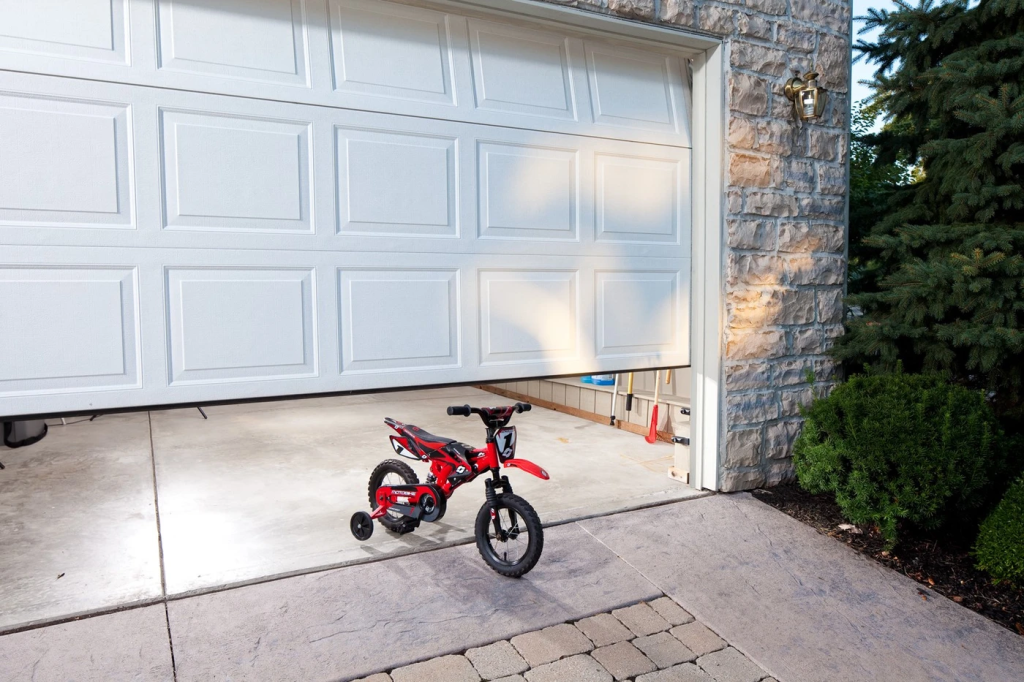
- Clear the area: remove vehicles, bikes, and tripping hazards from the door path.
- Disconnect power: unplug the opener before any hands-on work on electrical components.
- Support the door: use clamps or locking pliers on the track to prevent sudden movement.
- Look for broken parts: springs and cables under tension are high risk—avoid touching them.
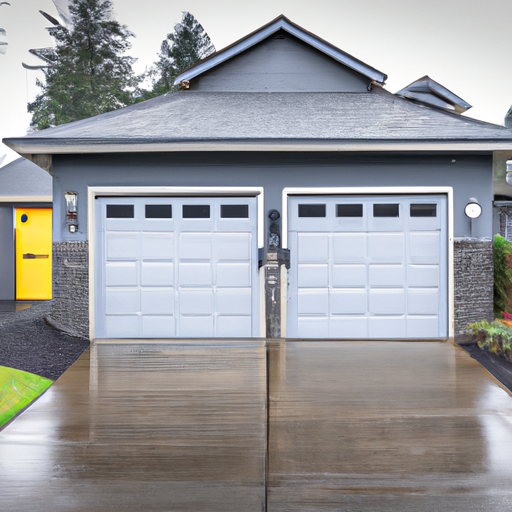
- Weather check: in Vancouver, WA, rain can make floors slippery and metal parts slick—work only in safe conditions.
Safe DIY Steps for Minor Garage Door Repair
Some maintenance tasks improve safety and can be done by a confident homeowner. These include lubrication, tightening hardware, adjusting sensors, and testing balance. Use the term garage door repair when planning tasks so you remember the door is a mechanical system, not simply a panel to push around.
Tools and PPE
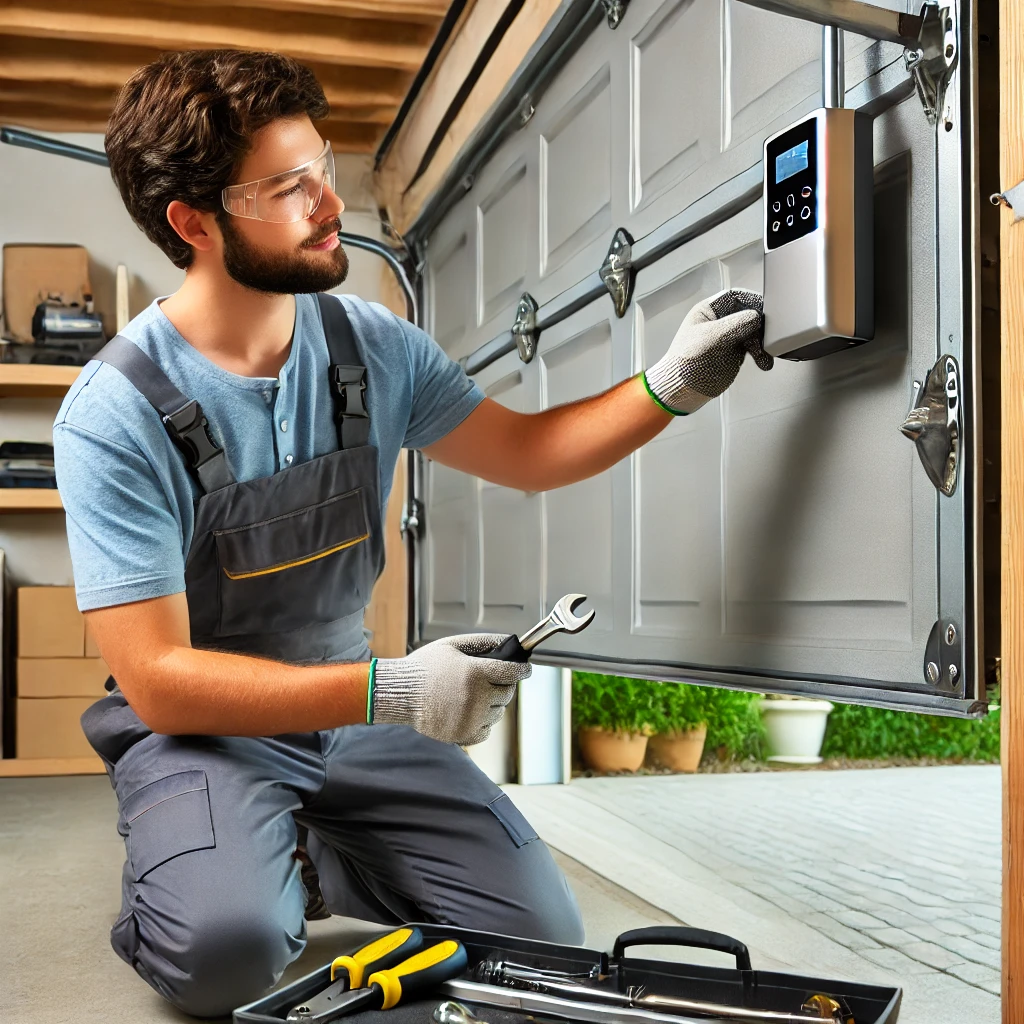
- Basic tools: adjustable wrench set, screwdriver set, socket set, and a level.
- Personal protective equipment: safety glasses, gloves, and sturdy footwear.
- Lubricants: use silicone spray or garage-door-specific grease on rollers, hinges, and bearings.
Step-by-step: sensor alignment and testing
Safe sensor operation prevents the door from closing on people or items. For a simple sensor check: with the door open, place an object in the path and close the door. The door should reverse on contact. If not, inspect sensor lenses for dirt and alignment, and test the sensor wiring. Many homeowner fixes for sensors are straightforward and fall under common garage door repair tasks.
When to Stop and Call a Pro
There are clear warning signs that mean professional garage door repair is the right choice. Broken torsion springs, snapped cables, off-track doors, and opener unit failure all present risks beyond typical DIY scope. In these cases, call a licensed repair technician to avoid injury and further damage.
If you need help deciding, consult our maintenance articles for more detail on common failures at our blog. For urgent issues or to schedule a safety inspection, contact us and describe the symptoms so a tech can prepare properly.
Why professionals are safer
- Specialized tools: pros use spring bars, cable hoists, and calibrated testing gear.
- Training: certified technicians understand manufacturer tolerances and safety codes.
- Liability and warranty: professional garage door repair often carries a warranty that protects you if parts fail after the job.
Preparing for a Technician Visit
Whether you call for emergency work or a scheduled tune-up, preparation reduces time on site and exposure to hazards. Note the door model, serial numbers on the opener, how the door is behaving, and any recent changes such as storms or impact damage. This information speeds diagnosis and improves the quality of the residential service visit.
What to expect during service
- Inspection: a tech will check springs, cables, rollers, track alignment, and opener mechanics.
- Safety tests: balance tests, reversal tests, and photo-eyes alignment are standard.
- Estimate: a detailed quote will list parts, labor, and approximate completion time.
If you decide to hire help, review local providers and the services they offer. Look for licensed professionals who list safety protocols and warranties. Our full list of offerings is available at our services, including emergency spring replacement and safety inspections.
Local Considerations for Vancouver, WA Homeowners
In Vancouver, WA, seasonal rain and occasional freezing can affect moving parts. Rust and debris build up faster in damp conditions, which increases wear and the likelihood of sudden failures. Regular maintenance reduces the chance of emergency repairs and keeps your home improvement investments safe.
Timing and cost expectations
Minor repairs (sensors, rollers, lubrication) are often completed in an hour or two. Spring and cable replacement usually takes longer and requires two technicians. Typical local pricing varies based on materials and door size; budget accordingly and ask for a written estimate before work begins.
Final Safety Tips
- Schedule annual inspections: a yearly safety check helps catch worn parts before failure.
- Teach family members: demonstrate safe operation of the remote, wall control, and manual release.
- Keep the door clear: never allow children to play near the door or the opener controls.
- Document repairs: keep receipts and service records for warranty and resale value.
For complicated problems or if you’re unsure about a repair, err on the side of caution and hire a professional. Professional garage door repair reduces risk to your family and prevents costly mistakes that can arise from DIY attempts on high-tension components.
Ready to schedule a safety inspection or repair with a local team trained for Vancouver weather and codes? Call us or use our online contact form so we can prepare the right parts and tools for your home.
Frequently Asked Questions
Q: How does Vancouver weather affect garage door springs?
A: The damp climate accelerates corrosion on springs and cables, which shortens service life. Annual inspections before winter help catch corrosion and prevent failures that require urgent garage door repair.
Q: How long does a typical spring replacement take in the area?
A: Most residential spring replacements in Vancouver, WA are completed in 1–2 hours for a single-door job, depending on access and whether both springs need changing. Ask for a clear time estimate when you schedule service.
Q: Are permits required for garage door repair or replacement in Vancouver?
A: Minor repairs usually don’t need permits, but full door replacements that change openings or structural elements may. Check Vancouver building department rules or let your service provider verify permit requirements for larger projects.
Q: What price range should homeowners expect for common repairs?
A: Sensor fixes and lubrication are typically low-cost. Spring or cable replacements are mid-range, and full door or opener replacements are higher. Request an itemized estimate for parts and labor to compare local garage door repair quotes.
Q: Do local companies offer warranties for parts and labor?
A: Many Vancouver-area technicians provide limited warranties on parts and labor—confirm the duration and what it covers before work begins. Warranties vary between manufacturers and service providers.
Helpful local resources in Vancouver, WA
- Garage Door Repair Seattle
- Garage Door Repair Bellevue
- Garage Door Repair Redmond
- Garage Door Repair Kirkland
- Garage Door Repair Mercer Island
- Garage Door Repair Edmonds
- Garage Door Repair Issaquah
- Garage Door Repair Tacoma
- Garage Door Repair Everett
- Garage Door Repair Bothell
- Garage Door Repair Sammamish
- Garage Door Repair Renton
- Garage Door Repair Lynnwood
- Garage Door Repair Woodinville
- Garage Door Repair University Place
- Garage Door Repair Gig Harbor
- Garage Door Repair Lakewood
- Garage Door Repair Puyallup
- Garage Door Repair Mukilteo
- Garage Door Repair Vancouver
- Garage Door Repair Kenmore
- Garage Door Repair Burien
- Garage Door Repair Auburn
- Garage Door Repair South Hill
- Garage Door Repair Yarrow Point
- Garage Door Repair Clyde Hill
- Garage Door Repair Port Townsend
- Garage Door Repair Duvall
- Garage Door Repair Snoqualmie