Every Vancouver, WA homeowner knows local weather strains on exterior systems. Regular seasonal maintenance can cut costs and reduce emergency garage door repair visits. This guide outlines practical checks and simple tasks you can do each season to keep residential garage doors operating smoothly and safely.
Why seasonal maintenance matters
Garage doors are large moving systems under tension. Neglect allows small issues to escalate into expensive replacements or hazardous failures. Scheduled maintenance protects your property, preserves insulation, and extends component life. For homeowners focused on home improvement and long-term value, routine attention to hardware, seals, and openers is essential.
Spring and summer checklist
Spring’s moisture and summer’s heat each test different parts of a garage door. Use this checklist to spot problems before they worsen.
- Inspect weatherstripping. Replace cracked or compressed seals at the bottom and sides to keep out moisture and pests.
- Lubricate moving parts. Apply a silicone or lithium spray to rollers, hinges, and the torsion spring bearings to reduce wear and noise.
- Check door balance. Disconnect the opener and raise the door halfway; it should hold. If it drifts, springs may be weak and need professional garage door repair.
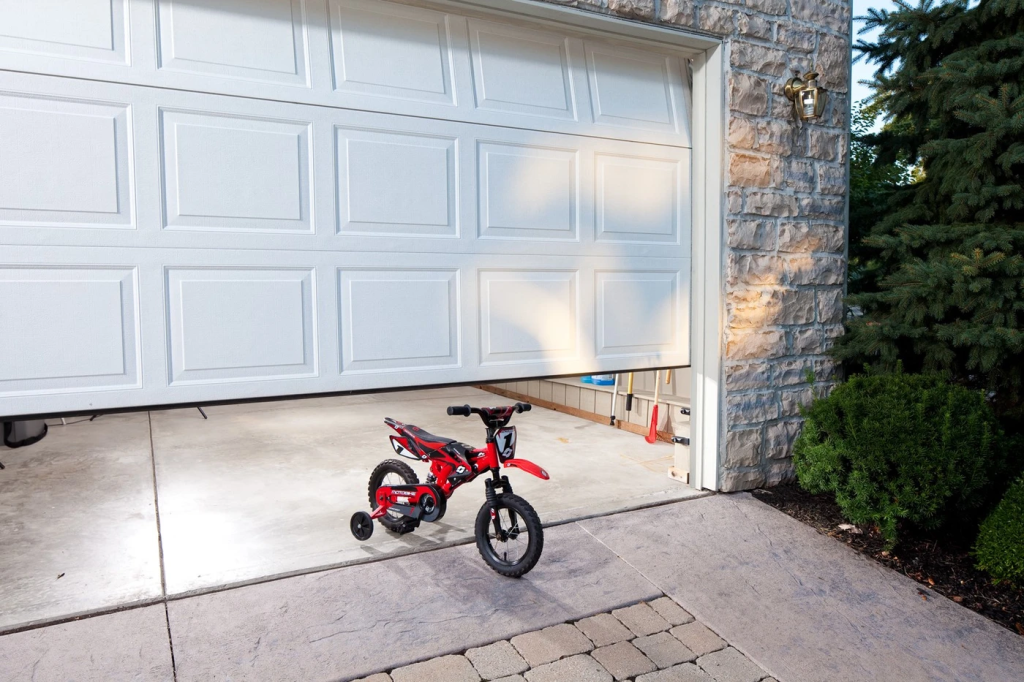
- Test auto-reverse. Place a block in the door’s path and close; the door should reverse on contact. This safety check prevents injury and may be required for warranty compliance.
- Inspect panels and paint. Summer sun can fade finishes; repaint or refinish wooden or steel panels to avoid rust and rot.
Opener and electronics
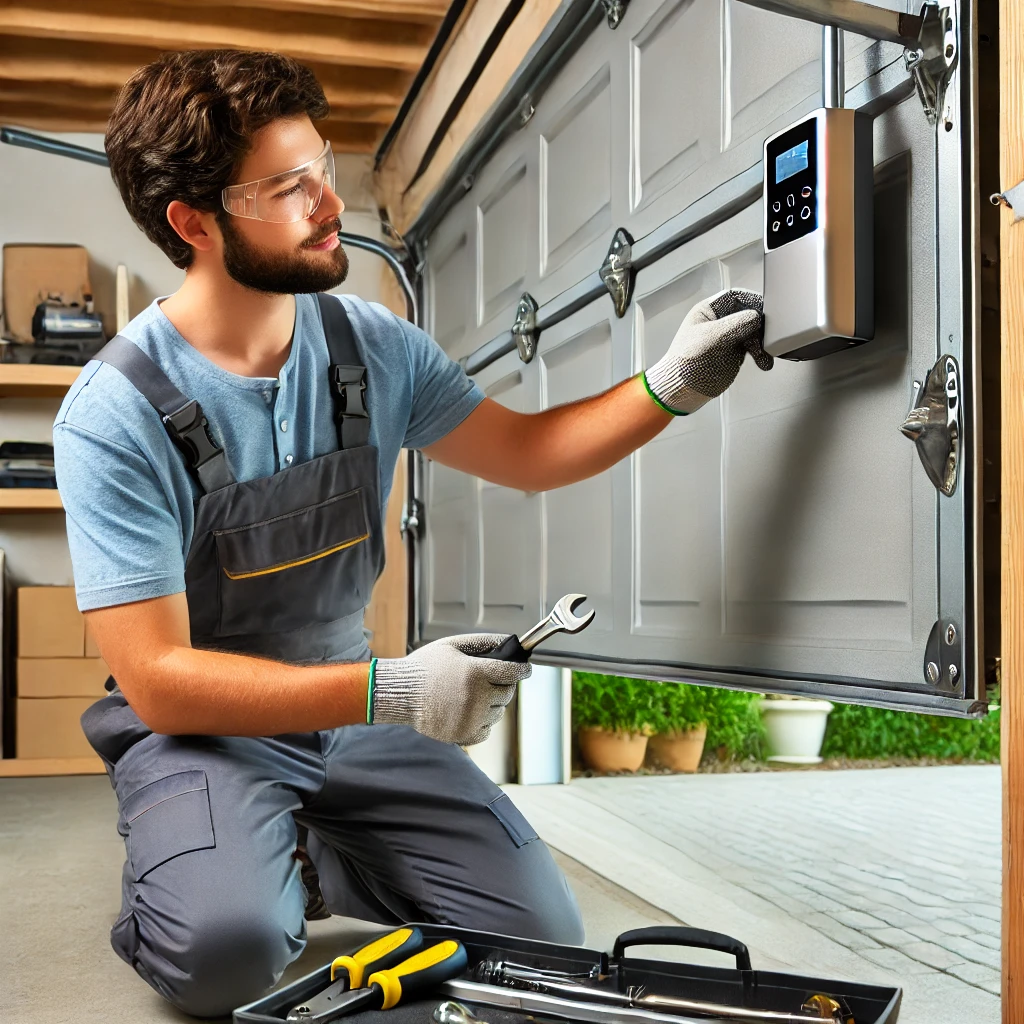
Check the opener’s manual for specific seasonal care. Replace batteries in remotes and test sensors for alignment and cleanliness. If you notice intermittent faults or loud operation, schedule a professional inspection—timely garage door repair can avoid a full opener replacement.
Fall and winter checklist
Vancouver, WA winters bring rain, wind, and occasional freezing. Prepare the door for colder months to avoid failures when you need access most.
- Secure loose hardware. Cold makes metal contract. Tighten bolts and brackets after a thorough visual inspection.
- Protect seals from freezing. Clean and treat rubber seals to maintain flexibility. Consider a threshold seal for heavy runoff areas.
- Drain and clear tracks. Remove debris from tracks and ensure proper drainage near the garage to prevent freezing or rusting.
- Watch for condensation issues. Insulated doors help reduce interior condensation that can lead to mold or corrosion.
- Schedule a pre-winter tune-up. A pro can test springs and cables under load to reduce the risk of midwinter failures that often require emergency garage door repair.
Storm readiness
During gale and heavy rain events, secure loose items near the garage and keep the door free of obstructions. If your neighborhood faces storm debris, inspect the door frame and tracks for impacts that can misalign the system.
Quick DIY checks every season
Homeowners can do several low-risk tasks to spot problems early. These small checks support long-term garage door health and make professional jobs smaller and cheaper.
- Listen for unusual noises during operation—grinding, scraping, or loud thumps.
- Look for frayed cables or rusted springs; these indicate the need for professional garage door repair rather than DIY fixes.
- Verify that the door seals uniformly along the bottom—gaps mean drafts and water intrusion.
- Clean and tighten sensors and opener brackets; minor alignment shifts cause big operational issues.
Parts to watch and maintenance tips
Understanding common failure points helps prioritize inspections and spending.
Springs and cables
Torsion and extension springs bear the door’s weight. Never attempt to adjust or replace springs yourself—improper handling can cause severe injury. If a spring is stretched, broken, or noisy, contact a licensed technician for immediate garage door repair.
Rollers and tracks
Rollers wear faster on worn tracks. Clean tracks and replace rollers with nylon bearings for quieter operation. Track dents should be straightened by a pro to maintain alignment and prevent binding.
Openers and safety systems
Smart openers and sensors reduce accidental damage but require periodic firmware updates and sensor cleaning. When an opener shows inconsistent travel, hesitation, or fails safety tests, professional service is recommended to avoid door damage.
When to call a professional
DIY maintenance is valuable, but certain signs mean it’s time to schedule a technician for garage door repair:
- Broken springs or frayed cables.
- Door comes off tracks or is noticeably sagging.
- Opener fails safety auto-reverse tests.
- Unexplained grinding or metal binding noises.
- Visible panel damage compromising structural integrity.
For in-depth seasonal guides, check our blog for step-by-step articles and video tips. If you prefer immediate support, contact us to schedule a local inspection. To review the range of repairs and upgrades we offer, see our services page.
Budgeting and timeline expectations
Typical seasonal service visits are affordable and can prevent expensive emergency repairs. Expect a basic tune-up to take 45–90 minutes. Common replacement items and their rough ranges in Vancouver, WA:
- Spring replacement (per spring): moderate cost depending on door weight.
- Opener replacement: higher cost; varies with horsepower and smart features.
- Weatherseal and threshold: low cost, high value for energy savings.
- Panel repair or replacement: varies widely by material and finish.
Ask your technician for a clear written estimate and warranty terms before work begins. Most reputable local services back repairs with labor warranties on parts and workmanship—preserve receipts and service records for future coverage.
Final seasonal maintenance checklist — printable
- Inspect and tighten hardware.
- Lubricate rollers, hinges, and bearings.
- Test balance and auto-reverse safety.
- Check weatherstripping and replace if needed.
- Clear tracks and check opener function.
- Schedule professional inspection for springs and cables.
Regular seasonal attention minimizes the need for emergency garage door repair and supports long-term home improvement goals. If you notice anything unusual during your checks—especially with springs, cables, or the opener—call a pro rather than attempting risky DIY fixes.
Prepare early for seasonal changes, keep a simple maintenance log, and reach out to a local technician when issues exceed DIY scope. A small preventive investment often saves hundreds in repair costs and prevents safety hazards.
Stay proactive—your garage door is one of the most used mechanical systems on your property. Seasonal maintenance keeps it reliable through Vancouver, WA’s wet winters and temperate summers.
Frequently Asked Questions
Do Vancouver, WA homeowners need a permit for garage door replacement?
Most residential garage door repairs do not require a building permit. Full door replacements that alter structural openings or change electrical connections may require permits. Check with the City of Vancouver building department or ask your service technician to confirm permit needs.
How often should I schedule professional maintenance in Vancouver’s climate?
We recommend a professional inspection once a year and basic DIY checks each season. If your door is older or used heavily, consider biannual service to prevent weather-related failures.
What is a typical timeline for common repairs?
Minor repairs and tune-ups often take under two hours. Spring or cable replacements can be completed the same day in most cases. Opener or panel replacements may require scheduling but are typically finished within a few hours on-site.
How much should I budget for seasonal maintenance and repairs?
Seasonal tune-ups are usually low-cost. Expect modest labor and parts fees for routine service. Replacement springs, weather seals, and rollers are mid-range costs; openers and panels are higher. Get written estimates to compare prices locally.
Are repairs and parts covered by warranties?
Many manufacturers offer warranties on parts like springs and openers; installers often provide labor warranties. Keep receipts and warranty documents; ask your technician to explain coverage before work begins.
Helpful local resources in Vancouver, WA
- Garage Door Repair Seattle
- Garage Door Repair Bellevue
- Garage Door Repair Redmond
- Garage Door Repair Kirkland
- Garage Door Repair Mercer Island
- Garage Door Repair Edmonds
- Garage Door Repair Issaquah
- Garage Door Repair Tacoma
- Garage Door Repair Everett
- Garage Door Repair Bothell
- Garage Door Repair Sammamish
- Garage Door Repair Renton
- Garage Door Repair Lynnwood
- Garage Door Repair Woodinville
- Garage Door Repair University Place
- Garage Door Repair Gig Harbor
- Garage Door Repair Lakewood
- Garage Door Repair Puyallup
- Garage Door Repair Mukilteo
- Garage Door Repair Vancouver
- Garage Door Repair Kenmore
- Garage Door Repair Burien
- Garage Door Repair Auburn
- Garage Door Repair South Hill
- Garage Door Repair Yarrow Point
- Garage Door Repair Clyde Hill
- Garage Door Repair Port Townsend
- Garage Door Repair Duvall
- Garage Door Repair Snoqualmie