Improve safety before any garage door repair in Vancouver, WA
If you live in Vancouver, WA, basic preparation can cut the risk of injury and damage during garage door repair. Whether you plan a small adjustment or a full spring replacement, a calm checklist and the right precautions help homeowners protect family, property, and tools. This guide covers clear steps you can use today to make garage door repair safer, whether you do the work yourself or supervise a residential service visit.
Safety checklist: what to do before starting
Start every garage door repair job by slowing down. Rushed repairs cause mistakes. The checklist below focuses on predictable hazards common in our rainy Pacific Northwest climate and typical residential garage doors.
- Disconnect power to any automatic opener and unplug the unit before touching anything. Many injuries happen when openers activate during repair.
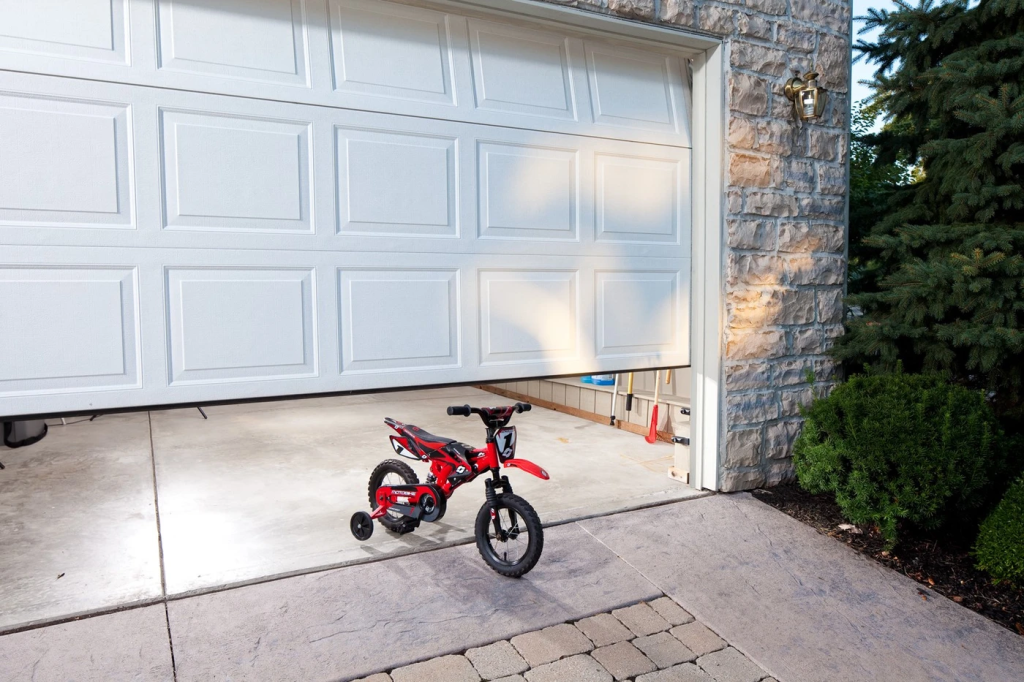
- Clear the area inside and outside the garage. Remove vehicles, bicycles, and lawn gear so the door can move freely and technicians have room to work.
- Use proper lighting. Wet, dim corners near the opener and tracks hide hardware and trip hazards.
- Mark the door’s current balance points with a piece of tape. This helps verify proper operation after garage door repair work is complete.
- Never attempt spring or cable replacement without the right tools and experience. Torsion and extension springs store dangerous energy and are the leading cause of severe injury during garage door repair.
Tools, PPE, and on-site setup
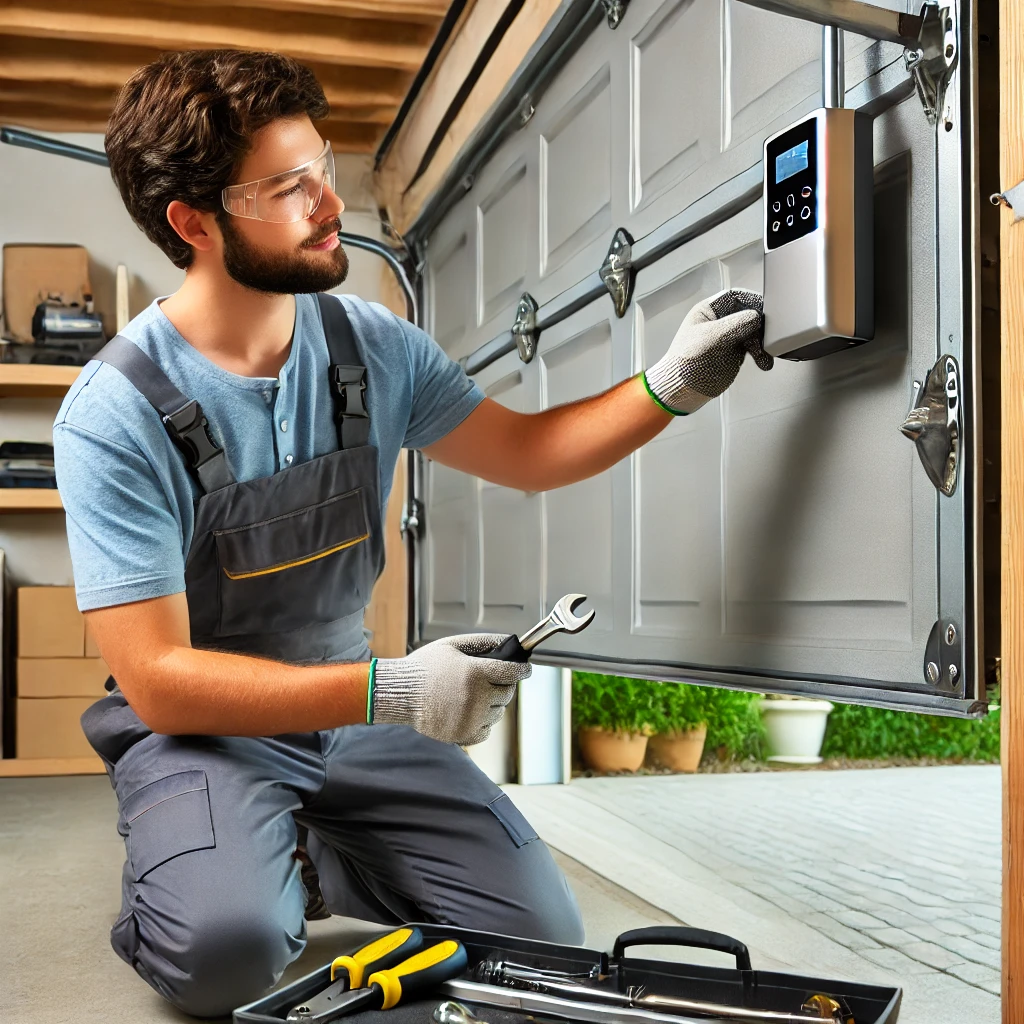
Having the correct personal protective equipment and tools is essential to any safe garage door repair. Below are items that experienced residential service techs bring to every job; homeowners who work alongside a pro should use the same basics.
Essential PPE and tools
- Safety glasses and heavy-duty gloves to prevent cuts from metal edges and springs.
- Non-slip footwear and a stable ladder rated for outdoor use.
- Winding bars for torsion springs—never substitute screwdrivers or pry bars when doing spring work.
- Locking pliers and cable clamps to secure the door while adjusting springs or cables.
- Multimeter to confirm openers are disconnected and power is off before handling motors or sensors.
Set boundaries and communication
On-site communication reduces surprises. If neighbors or children are nearby, rope off a clear work zone. When a technician arrives, confirm the scope: clear starting balance checks, parts to be used, and an estimated timeline for the garage door repair. A simple verbal safety briefing prevents most common accidents.
When to hire a pro—and what to expect
Many homeowners ask whether they should DIY or call a pro for garage door repair. Small tasks like replacing weatherstripping or tightening loose hardware are reasonable DIY projects. Anything involving springs, cables, drums, or the opener’s gear train is best left to trained technicians.
- Hire a licensed residential service for torsion spring replacements and major cable work.
- Ask for proof of insurance and worker safety procedures before any technician starts work.
- Request a written estimate covering parts, labor, and expected completion time so you can compare costs and scheduling.
Want to read local tips and case studies? See our maintenance notes and safety stories on the company blog: https://garagedoors-vancouver.com/blog.
Weather, timing, and local considerations
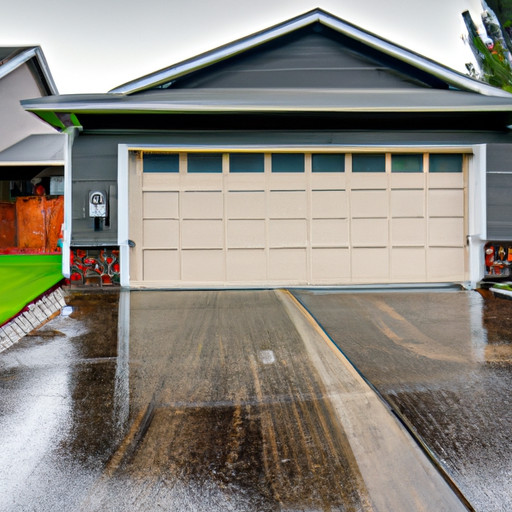
Vancouver, WA weather affects materials and timetables for garage door repair. Wet seasons accelerate corrosion on springs and hardware, and cold snaps change cable tension. Plan repairs in drier windows when possible, and expect slight scheduling delays during heavy seasonal demand.
Permits and neighborhood rules
Most basic garage door repair and like-for-like replacement does not require a permit, but full door replacements, structural header work, or alterations to electrical wiring might. Check with Vancouver city permits if your project touches framing, wiring, or alters the garage opening. A licensed residential service can advise whether permits apply and help you comply.
Preventive maintenance that reduces repair risks
Routine maintenance keeps small issues from becoming dangerous failures. A short seasonal checklist reduces the need for emergency garage door repair and keeps your family safer.
- Lubricate rollers, hinges, and bearings once or twice a year with a silicone or white lithium spray after a dry wipe down.
- Inspect cables and pulleys for fray and rust. Replace any worn cable—do not try to splice or reuse damaged cables.
- Test the door’s balance monthly: with the opener disconnected, raise the door halfway; a balanced door stays put. If it drops or rises, schedule a spring adjustment.
- Test safety sensors and reversing mechanisms. Place an object in the door path and close the door to confirm automatic reversal.
How we help: scheduling and transparent pricing
When you choose a pro for garage door repair, look for clear scheduling and honest pricing. A local technician should explain parts options, show warranty details, and outline how long a typical spring or opener job takes. For service options in Vancouver, WA, see our full list of offerings here: https://garagedoors-vancouver.com/services.
If you need an on-site estimate or emergency assistance, contact our Vancouver dispatch to arrange a visit and get a repair window. Use our contact page to request service and share photos so a technician arrives prepared: https://garagedoors-vancouver.com/contact.
Common safety mistakes to avoid
- Using improvised tools for spring winding—this is the most dangerous mistake in garage door repair.
- Working alone on large doors. Always have a helper or a pro when moving heavy panels or testing balance.
- Ignoring manufacturer torque specs or recommended parts—cheap parts can fail fast and create hazardous conditions.
- Assuming the opener will hold the door during hardware work—always secure the door mechanically before removing springs or cables.
Final checklist before you close the garage
- Re-connect power only after confirming tools are clear and all fasteners are tightened.
- Run the door through several cycles and test sensors and manual release. Verify balance marks noted earlier match expected positions.
- Keep a maintenance journal: record dates, parts replaced, and the technician’s notes to reduce future emergency garage door repair calls.
Safe garage door repair depends on planning, the right equipment, and a clear decision when to hire a professional. Use this guide as a starting point for safer projects and smarter conversations with technicians. For more maintenance tips and local updates, check our blog and service pages linked above.
Frequently asked questions — Vancouver, WA
1. How does Vancouver weather affect spring life and when should I expect garage door repair?
Persistent rain and salt air can accelerate rust on springs and cables. In Vancouver, WA expect earlier wear if your garage faces prevailing winds or road spray. Inspect springs yearly and plan repairs before heavy winter storms.
2. How long does a typical torsion spring replacement take?
Most professional torsion spring replacements for standard residential doors take 60–90 minutes on-site, assuming parts are in stock. Complex doors or additional cable and drum work may take longer.
3. What price range should Vancouver homeowners expect for common garage door repair jobs?
Minor repairs (rollers, sensors, weatherstrip) often range under a few hundred dollars. Spring or cable replacements typically range higher due to parts and labor—ask for a written estimate before work begins for local pricing clarity.
4. Are there warranties and do they cover labor in Vancouver, WA?
Warranties vary. Manufacturer parts often carry material warranties; labor warranties depend on the service provider. Always request warranty terms in writing and confirm whether labor is included for the replacement part.
5. Do I need a permit for door replacement in Vancouver?
Simple like-for-like door swaps usually do not require a permit, but structural changes or electrical work may. Check Vancouver city permit rules or ask your technician to advise if your planned work needs permitting.
Helpful local resources in Vancouver, WA
- Garage Door Repair Seattle
- Garage Door Repair Bellevue
- Garage Door Repair Redmond
- Garage Door Repair Kirkland
- Garage Door Repair Mercer Island
- Garage Door Repair Edmonds
- Garage Door Repair Issaquah
- Garage Door Repair Tacoma
- Garage Door Repair Everett
- Garage Door Repair Bothell
- Garage Door Repair Sammamish
- Garage Door Repair Renton
- Garage Door Repair Lynnwood
- Garage Door Repair Woodinville
- Garage Door Repair University Place
- Garage Door Repair Gig Harbor
- Garage Door Repair Lakewood
- Garage Door Repair Puyallup
- Garage Door Repair Mukilteo
- Garage Door Repair Vancouver
- Garage Door Repair Kenmore
- Garage Door Repair Burien
- Garage Door Repair Auburn
- Garage Door Repair South Hill
- Garage Door Repair Yarrow Point
- Garage Door Repair Clyde Hill
- Garage Door Repair Port Townsend
- Garage Door Repair Duvall
- Garage Door Repair Snoqualmie