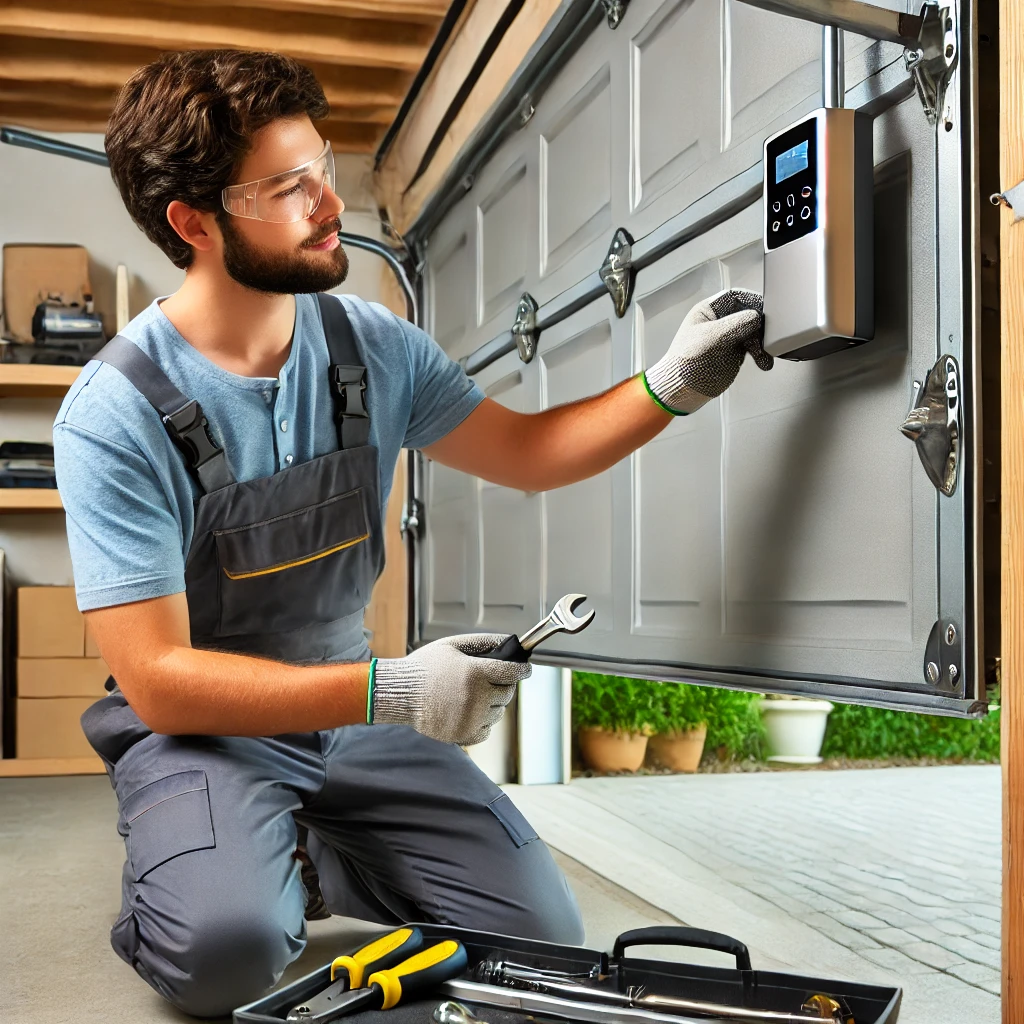
If you need garage door repair in Vancouver, WA, safety should come first. A garage door is heavy, spring-loaded, and connected to hardware that can fail fast if it is handled the wrong way. Homeowners can lower the risk by knowing what to check, what not to touch, and when to call a pro.
This guide explains practical ways to stay safe during garage door repair, from spotting early warning signs to preparing your space before work begins. It is written for homeowners who want a smarter, safer approach to this common residential service.
Start with a Safe Inspection
Before any garage door repair, look at the door from a distance. Open and close it only if it moves smoothly and does not stick, jerk, or lean. If the door is off-track, very heavy, or making sharp popping sounds, stop using it and get help.
Warning signs you should not ignore
- Broken or stretched springs
- Frayed cables or loose cable drums
- Rollers that wobble or come out of the track
- A door that falls too fast when closing
- Opener strain, grinding, or burning smells
These problems can turn a routine garage door repair into a hazard. If you notice more than one issue, it is safer to schedule a residential service visit than to keep testing the door.
Keep Hands and Tools Away from High-Tension Parts
The most dangerous parts of garage doors are the springs and cables. They store a lot of force, even when the door looks still. Many DIY accidents happen when someone tries to loosen, swap, or adjust these parts without the right tools.
For safety, do not:
- Loosen set screws on torsion springs
- Unwind springs with improvised tools
- Move brackets while the door is under tension
- Remove cables to “see what is wrong”
If your goal is garage door repair that protects your home and your family, the safest move is to leave spring work to trained technicians. For more homeowner tips, check our garage door blog.
Prepare the Area Before Service Starts
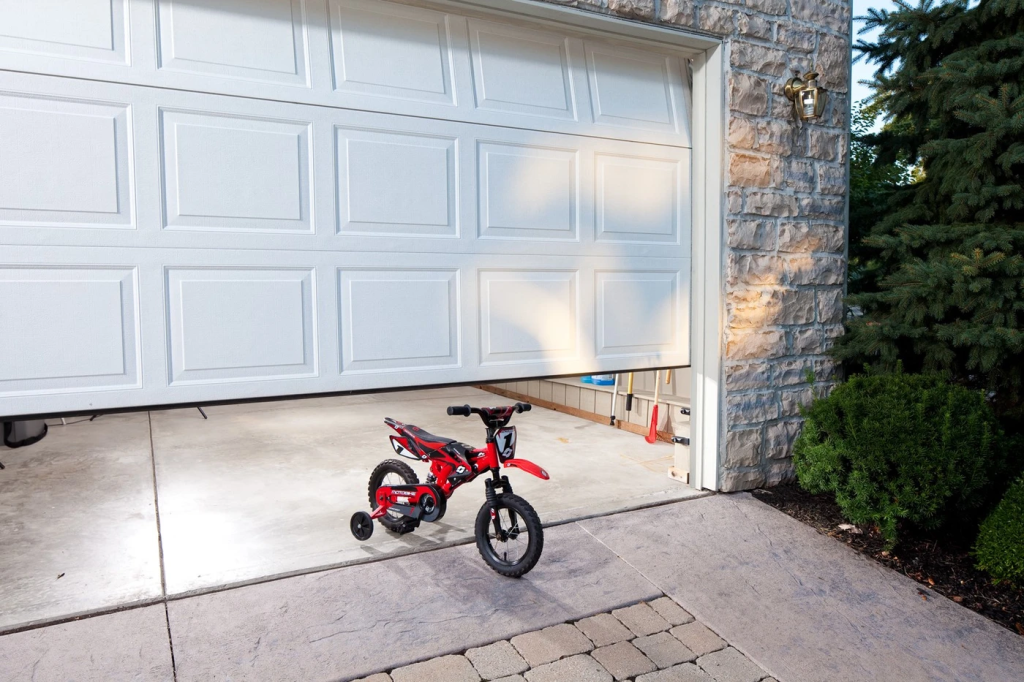
Good prep helps reduce accidents and makes garage door repair faster. Clear the floor around the door so the technician has room to work. Move bikes, bins, tools, and lawn equipment away from the tracks and opener.
Simple prep checklist
- Keep kids and pets inside another room
- Unplug any extra devices near the door
- Park vehicles out of the way
- Make sure lighting is bright enough to see hardware clearly
- Tell the technician about past repairs or strange noises
In Vancouver, WA, damp weather can also affect garage doors by causing rust, swelling wood panels, or slippery floors. A dry workspace is safer for any garage door repair project, especially during rainy months.
Know When the Repair Is Bigger Than a Quick Fix
Some issues look small but point to larger damage. A broken spring may also mean worn bearings. A damaged panel may have bent hinges or track stress. If the opener is struggling, the problem may involve balance, not just the motor.
Ask for a full inspection when you see:
- Uneven door movement
- Repeated opener shutdowns
- Rust on multiple moving parts
- Noise that returns after lubrication
- Visible gaps between rollers and track
If you are comparing service options, our garage door services page explains the types of repairs and replacements available for local homes.
Use a Safer Approach to Spring and Opener Repairs
Springs and openers are the two areas where garage door repair often becomes risky. Springs carry the load of the door. Openers can hide wiring or alignment issues that are easy to miss.
Safer habits for homeowners
- Disconnect the opener only if the door is fully supported and stable
- Test balance by lifting the door manually only if it moves smoothly and safely
- Replace remote batteries instead of forcing the opener motor
- Stop using the door if it reverses, stalls, or closes unevenly
If you are unsure what failed, it is better to pause the garage door repair and get a professional opinion. A careful inspection can prevent a larger repair bill and lower the chance of injury.
Why Local Conditions in Vancouver, WA Matter
Local weather can change how garage doors wear. Vancouver, WA homeowners often deal with moisture, cool seasons, and occasional temperature swings. Those conditions can speed up corrosion on springs, hinges, and tracks.
That is why regular lubrication, alignment checks, and hardware tightening matter. It is also why a garage door repair plan should focus on safety, not just speed. A local technician will understand how weather impacts garage doors in this area and can spot problems before they become dangerous.
If you want to talk through a repair before it gets worse, use our contact page to request help.
FAQ: Garage Door Repair Safety in Vancouver, WA
What is the safest thing to do if my garage door spring breaks?
Do not open or close the door. Keep people and pets away, and schedule garage door repair right away. A broken spring can make the door unsafe to lift by hand.
Can I lubricate my garage door before a repair visit?
Yes, if the door is stable and you are only applying a light garage-door-safe lubricant to rollers, hinges, and bearings. Avoid spring adjustments and do not spray oily products on tracks.
How long does a typical garage door repair take in Vancouver, WA?
Many common repairs take about one to two hours, but larger problems can take longer. If the door has spring, cable, or track damage, expect more time for a safe fix.
Do I need a permit for garage door repair in Vancouver, WA?
Most basic repairs do not need a permit, but full replacement or structural changes may. If your project includes major electrical or framing work, ask before starting.
What should I ask about warranty before approving repair work?
Ask what parts are covered, how long labor is covered, and whether the warranty changes if the door is used before the repair is complete. Get the details in writing.
How can I tell if repair is safer than replacement?
If the door has repeated failures, major rust, warped panels, or multiple worn parts, replacement may be safer and more cost-effective than another garage door repair.
For homeowners who want a safer, simpler process, the best approach is to inspect early, avoid spring work, and call for help when the door shows clear warning signs. That keeps garage doors working better and helps protect your home.
FAQ: Garage Door Repair Safety in Vancouver, WA
What is the safest thing to do if my garage door spring breaks?
Do not open or close the door. Keep people and pets away, and schedule garage door repair right away. A broken spring can make the door unsafe to lift by hand.
Can I lubricate my garage door before a repair visit?
Yes, if the door is stable and you are only applying a light garage-door-safe lubricant to rollers, hinges, and bearings. Avoid spring adjustments and do not spray oily products on tracks.
How long does a typical garage door repair take in Vancouver, WA?
Many common repairs take about one to two hours, but larger problems can take longer. If the door has spring, cable, or track damage, expect more time for a safe fix.
Do I need a permit for garage door repair in Vancouver, WA?
Most basic repairs do not need a permit, but full replacement or structural changes may. If your project includes major electrical or framing work, ask before starting.
What should I ask about warranty before approving repair work?
Ask what parts are covered, how long labor is covered, and whether the warranty changes if the door is used before the repair is complete. Get the details in writing.
How can I tell if repair is safer than replacement?
If the door has repeated failures, major rust, warped panels, or multiple worn parts, replacement may be safer and more cost-effective than another garage door repair.
Helpful local resources in Vancouver, WA
- Garage Door Repair Seattle
- Garage Door Repair Bellevue
- Garage Door Repair Redmond
- Garage Door Repair Kirkland
- Garage Door Repair Mercer Island
- Garage Door Repair Edmonds
- Garage Door Repair Issaquah
- Garage Door Repair Tacoma
- Garage Door Repair Everett
- Garage Door Repair Bothell
- Garage Door Repair Sammamish
- Garage Door Repair Renton
- Garage Door Repair Lynnwood
- Garage Door Repair Woodinville
- Garage Door Repair University Place
- Garage Door Repair Gig Harbor
- Garage Door Repair Lakewood
- Garage Door Repair Puyallup
- Garage Door Repair Mukilteo
- Garage Door Repair Vancouver
- Garage Door Repair Kenmore
- Garage Door Repair Burien
- Garage Door Repair Auburn
- Garage Door Repair South Hill
- Garage Door Repair Yarrow Point
- Garage Door Repair Clyde Hill
- Garage Door Repair Port Townsend
- Garage Door Repair Duvall
- Garage Door Repair Snoqualmie